What's Actually Causing Your Sewer Backup
A sewer clog isn't just an inconvenience. It's a warning that something is seriously wrong underground - and ignoring it almost always makes things worse. Slow drains, gurgling sounds, backups in multiple fixtures at once. These are the signs your line is struggling, and they don't go away on their own.
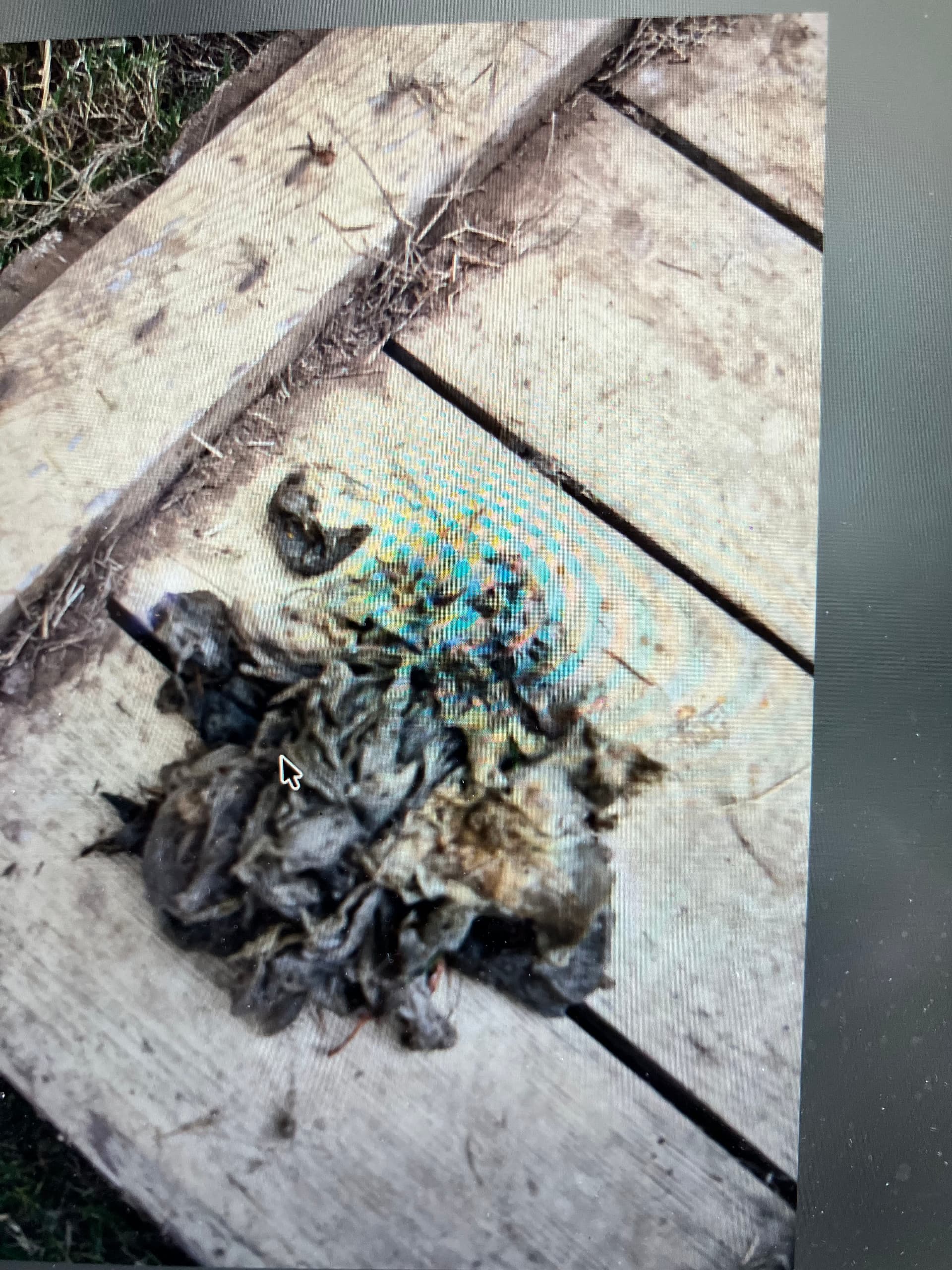
Here's what we pulled out of a blocked sewer line. That pile of debris you're looking at - saturated rags, what appears to be a woven fabric material, and a thick buildup of sludge - that's what a full sewer clog actually looks like. This stuff doesn't break down. It sits in your line, catches more debris, and eventually brings everything to a halt.
This is exactly why flushing anything other than waste and toilet paper is such a problem. Wipes, rags, paper towels - even products labeled 'flushable' - don't disintegrate the way people think they do. They travel down the line and either get stuck or ball up with grease and other material until nothing can get through.
We cleared this line completely. No partial fixes, no temporary solutions. When we're done, the line moves the way it's supposed to. That's the standard we hold ourselves to on every sewer clog call we run.
If your drains are slow or you're dealing with repeated backups, don't wait it out. The longer a partial clog sits, the harder it is to clear - and the more damage it can do to your plumbing system in the meantime.